
The Long Table: How One Shared Table Changes a Dinner
When the goal is connection rather than a stage program, one of the simplest design decisions is also one of the most powerful: seat everyone at one long table.
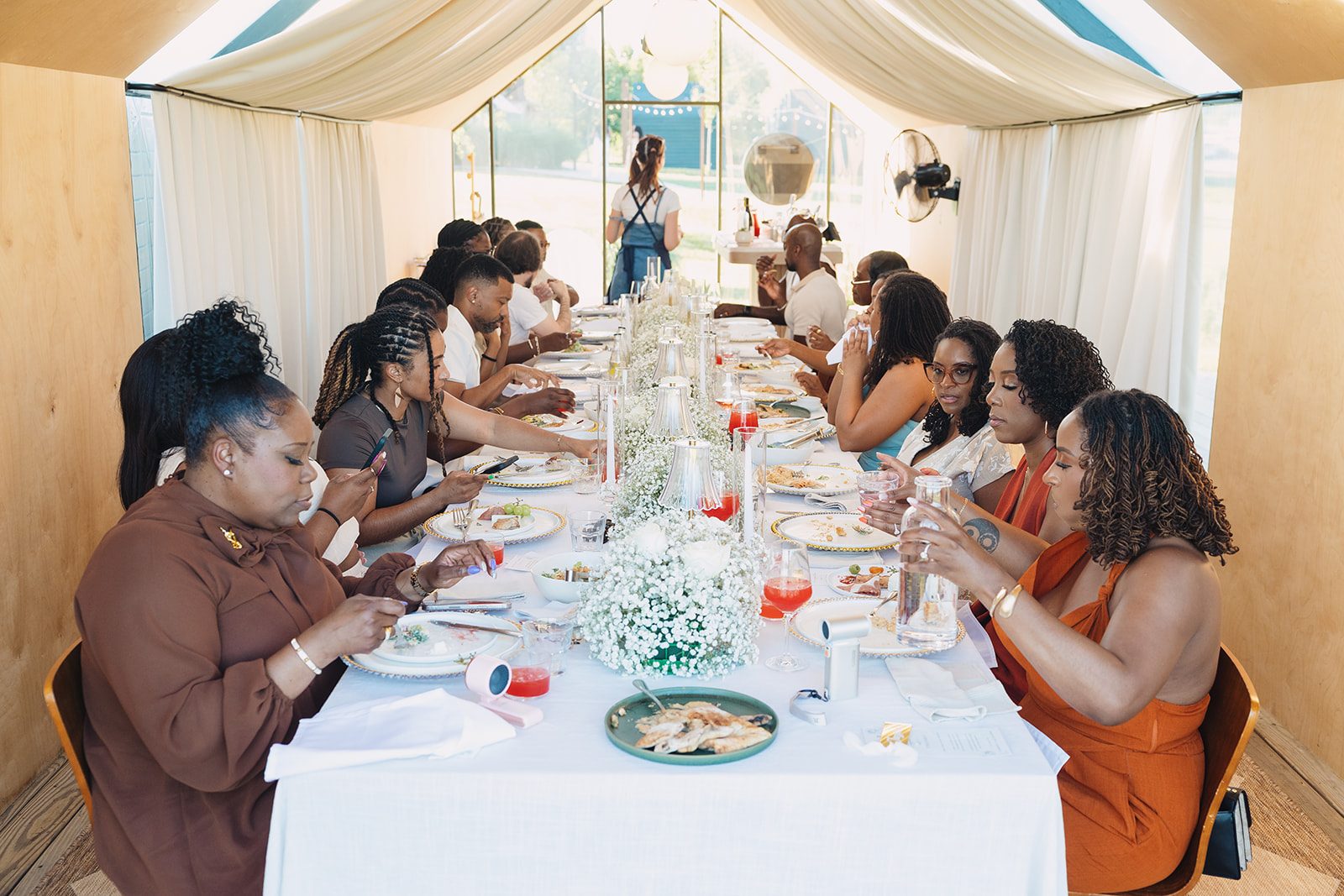
Most event rooms in the DMV default to round tables. They are efficient, familiar and easy for a venue to set. But when the goal of an evening is connection, one long shared table changes the whole night.
When a long table works best
A long table works best when the conversation is the program. Leadership dinners, donor and board dinners, client appreciation dinners, team retreats and milestone celebrations all benefit when guests can see down the table and talk across it. Nobody is placed at a table at the back of the room. Everyone is part of the same evening.
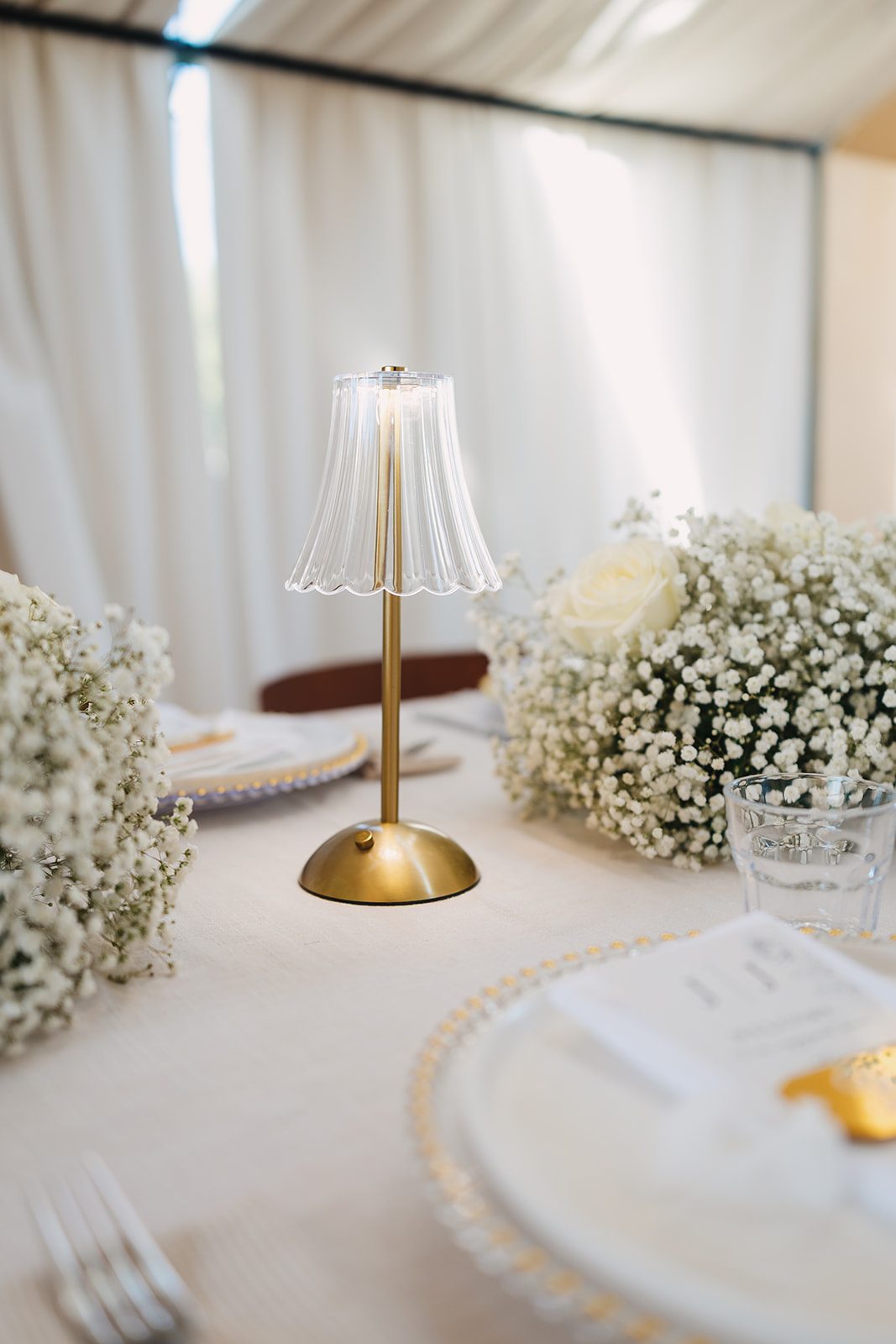
Design down the length of the table
A long table is really one continuous centerpiece. We design it as a single runner of color and texture, using greenery, florals, a sequin or linen runner, and candles at a steady rhythm, so the eye travels the full length. Low arrangements keep sightlines open. Place settings repeat exactly, which is what makes the table read as finished from both ends.
Seating matters as much as styling. With everyone at one table, the host can sit in the middle instead of at a head table. Toasts can happen from a seat, and the evening feels like a dinner instead of an event. For a client or donor dinner, that ease is often exactly the point.
Rounds still have their place
For a gala with a stage, an awards program or a large guest count, round tables are usually the right call. At the PMI Washington DC Chapter Awards Gala, navy-linen rounds gave every table a clear view of the stage screens. The question is not which format is better. It is what the evening is for.
Three questions before you choose
- Is there a program? If guests need to face a stage, start with rounds.
- How many guests? Long tables shine for intimate and mid-size dinners. Larger groups may need several parallel tables.
- What should people remember? If the answer is the conversation, choose one table.
Let the stationery finish the table
On a long table, the paper pieces matter as much as the florals. Menus, name cards, place cards and thank-you cards are what guests pick up and read, and they are often what makes a styled table feel truly finished.
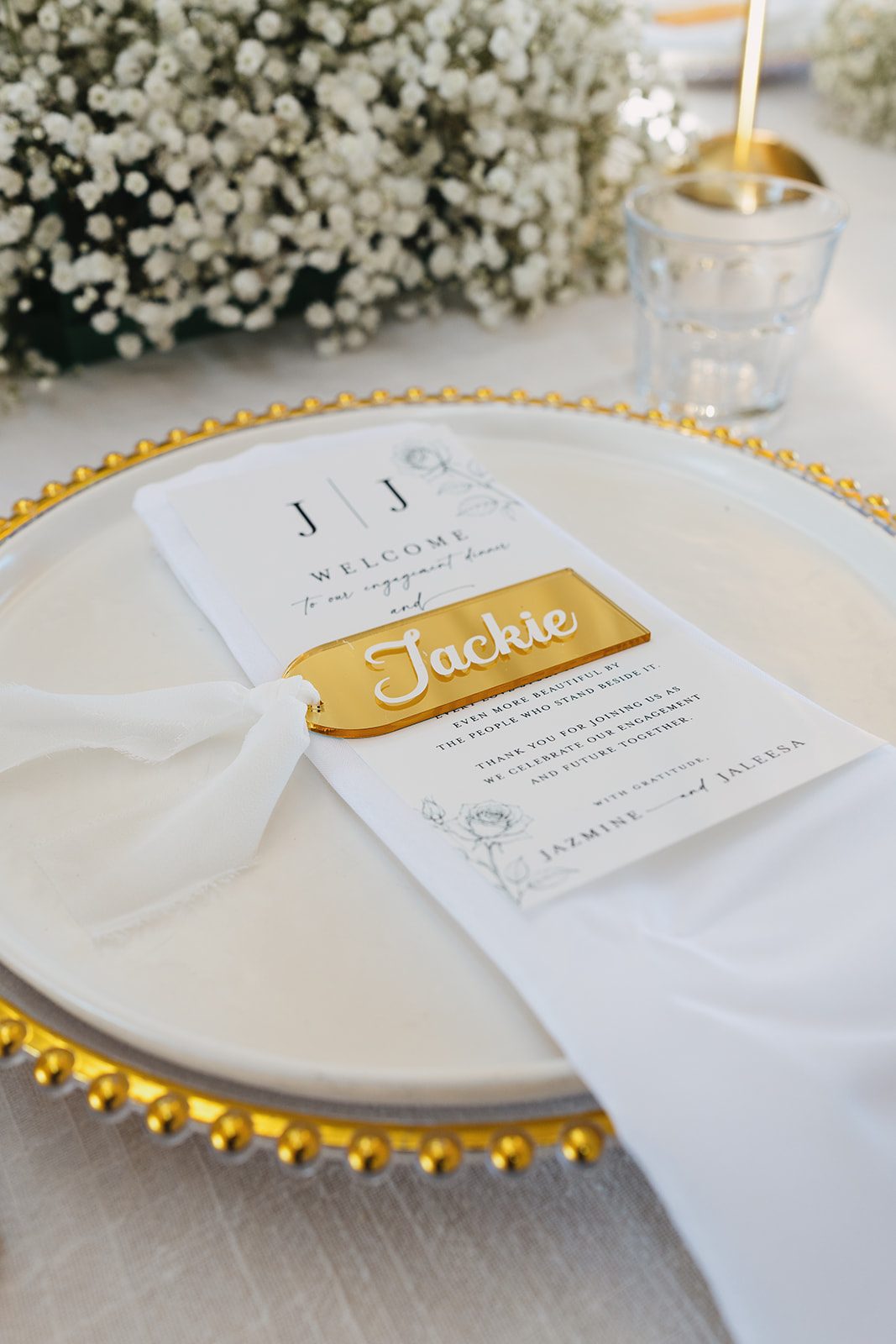
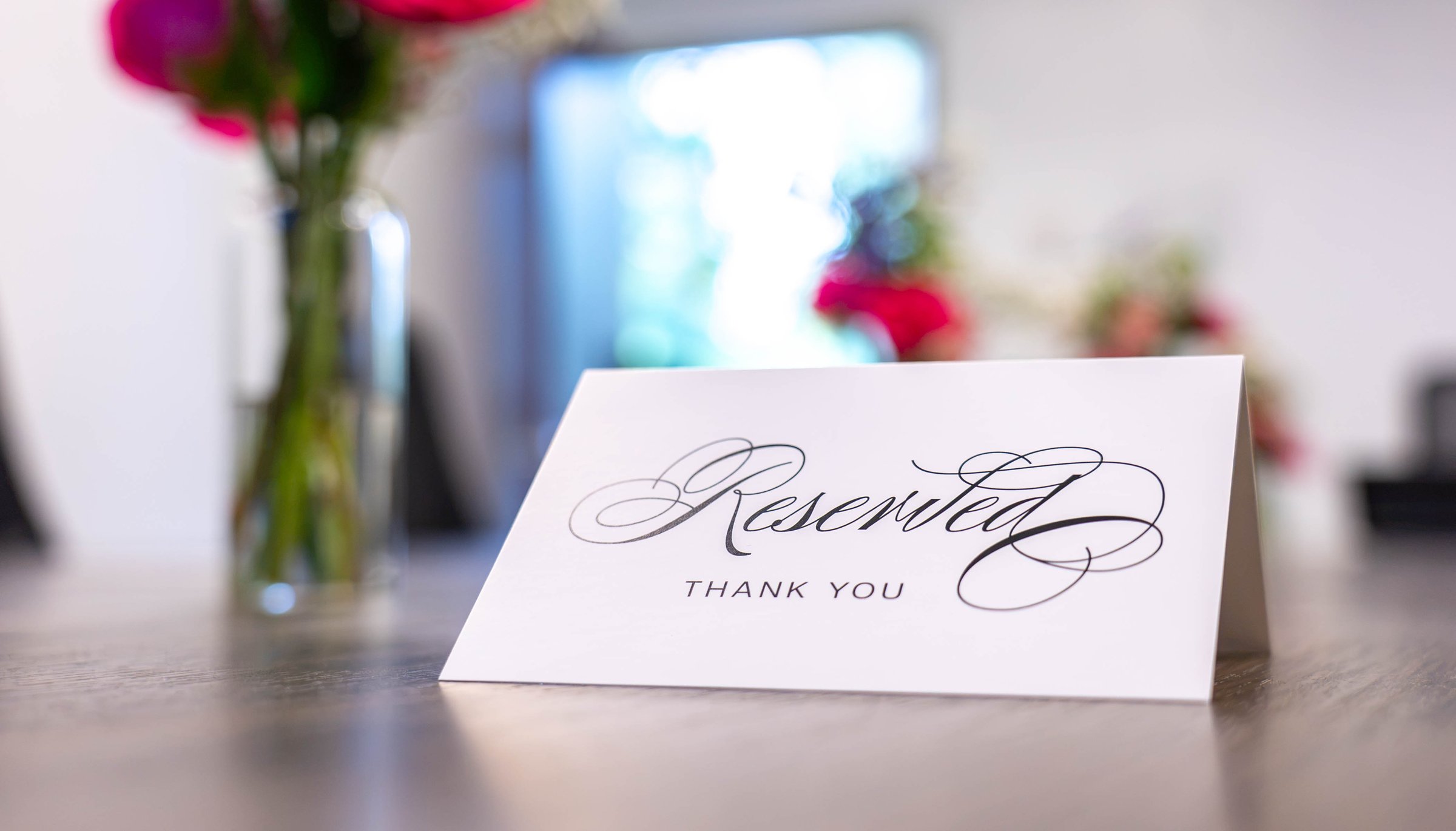
We design stationery in the same palette and theme as the rest of the table. A gold acrylic name card on a crisp white menu picks up the gold-beaded chargers. A calligraphy card in black and white sits quietly beside bright florals. When the paper carries the colors of the linens and centerpieces, the table reads as one design from end to end.
Stationery also does practical work. Name and place cards show guests exactly where to sit without a seating chart at the door. A menu tells them what the evening holds. A thank-you card at each setting says what the host wants every guest to hear.
And it is often what people take home. A name card or menu slipped into a bag becomes the keepsake from the night, long after the flowers are gone.
Planning a leadership dinner, donor evening or celebration and wondering about the layout? We would love to walk the room with you.